

Transmission Fluid – Keeps the Gears Turning
If your transmission isn’t running properly, you’ll know – and transmission fluid is what keeps your transmission going. Transmission fluid is what lubricates the moving parts within your transmission, as well as working as coolant in automatic transmission cars.
The exact fluid used will depend on what type of transmission and car you have. Automatic transmissions all use the same type of fluid but manual transmission cars will vary. Either way, it’s best to check with your owner’s manual or a mechanic to make sure you get the right type.
Time For a Transmission Service?
Schedule an Appointment at AAMCO Central Florida today!
How Often Are Transmission Fluid Services Necessary?
A general rule of thumb is to err on the side of more often rather than less often. Getting a transmission service done more than necessary will not harm your transmission. However, not getting your transmission serviced enough can cause serious damage.
Most manual transmission cars will need a transmission fluid flush around every 30,000-60,000 miles, though that will vary depending on use. Automatic transmissions may not need a transmission fluid flush until they hit 100,000 miles – or later. This is up for debate even amongst mechanics and will depend on the type of driving done most, as well as how long you plan to keep the car.
It’s important to think about the type of driving you’re doing. If you’re doing a lot of stop-and-go city driving, carrying heavy loads or trailers, or driving on more mountainous or hilly terrain, your transmission fluid may need to be serviced more frequently. Any type of driving that raises the temperature within your transmission more will cause more damage, as heat is tough on transmissions. And as the parts within your transmission wear out, the fragments coming off those parts will contaminate your transmission fluid.
What Happens to Transmission Fluid Over Time?
The most likely cause of transmission fluid wearing out will depend on what type of transmission you have. With manual transmissions, contamination is the main factor because there are so many moving parts that interact with one another and wear down over time. On the other hand, automatic transmissions generate more heat and therefore transmission fluid degradation is the key issue. Though contamination is a factor with both types.
What Can You Do Yourself?
Depending on your car, it may be easy to check transmission fluid levels regularly yourself. Automatic transmission cars and some manual transmission cars will have a dipstick for this purpose. If this is the case, you’ll be able to check transmission fluid in the say way you can check your oil. Even if you cannot easily check your transmission fluid level, it’s a good idea to get it checked regularly by a mechanic because often if signs appear, it’s already too late to prevent a more expensive transmission repair.
When you check the transmission fluid level, you should also check the consistency and smell of the fluid. If you notice metal or plastic particles in the fluid or it smells burnt, you should take your car in for a transmission flush as soon as possible. Those both indicate contaminated transmission fluid that could be causing more serious damage to the parts within your transmission.
What Other Signs Should I Look For?
While noticeable signs most likely mean you need more than a transmission fluid service, there are things to look out for. If you notice grinding or strange noises when changing gears, have trouble shifting or notice slipping gears then it’s time for a transmission service. Other signs include surging or a delay in movement.
All of those signs will indicate you need a transmission fluid service – but they also indicate you have waited too long to get that transmission service done, so there is likely more damage to be diagnosed. Once those signs appear, there is mechanical damage within your transmission and that will likely require more than just a simple transmission fluid flush.
What Exactly is a Transmission Fluid Flush?
During this transmission service, your mechanic will drain and flush all of the transmission fluid from within your car’s transmission. This will flush out all of the old worn out and contaminated transmission fluid so that it can be replaced with fresh. The process will also help dislodge extra contaminants to prevent them from getting into the new transmission fluid.
When you get a transmission fluid flush done by your mechanic, you should also get a new filter. Over time, just like the transmission fluid, your filter will become increasingly contaminated. If the transmission fluid is contaminated, so is the filter.
AAMCO Central Florida – Quality Transmission Services You Can Trust
If you think your car is in need of transmission repair, we are your trusted Florida transmission experts. No matter what your car needs, from transmissions to brakes and anywhere in between, AAMCO Central Florida is there to help with any Florida car repair needs. Schedule an appointment online or call your nearest location to get your car checked and fixed.
Recent Posts from our Blog

Car Stuck in Park? Do’s and Don’ts
Seatbelt on, start the car, shift into Reverse, and – still in Park? Whether you’re at home or trying to leave work, it’s frustrating and stressful when you feel stranded. If you find yourself in this situation, we have a few things for you to keep in mind and either...

Urgent Signs You Need to Call Your Mechanic When Your Car is Stalling
Is your car having trouble getting you from point A to point B? Not only is it frustrating when your car stalls, but it can also be a symptom of bigger car problems. It’s important to understand when your car stalling is a simple fix and when your mechanic should...
What to Check When Your Car Won’t Start
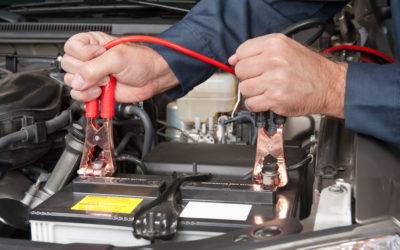
Hop in your car, put on the seatbelt, turn the key and…nothing happens. What do you do? When you have someplace to be, finding out your car won’t start can be very stressful. So when this happens to you, take a deep breath, then try one of these three things. As with...
Car Stuck in Park? Do’s and Don’ts
Seatbelt on, start the car, shift into Reverse, and – still in Park? Whether you’re at home or trying to leave work, it’s frustrating and stressful when you feel stranded. If you find yourself in this situation, we have a few things for you to keep in mind and either...
Urgent Signs You Need to Call Your Mechanic When Your Car is Stalling
Is your car having trouble getting you from point A to point B? Not only is it frustrating when your car stalls, but it can also be a symptom of bigger car problems. It’s important to understand when your car stalling is a simple fix and when your mechanic should...
What to Check When Your Car Won’t Start
Hop in your car, put on the seatbelt, turn the key and…nothing happens. What do you do? When you have someplace to be, finding out your car won’t start can be very stressful. So when this happens to you, take a deep breath, then try one of these three things. As with...

3 Reasons Why Your Car May Sound Louder Than Normal
Has the smooth, quiet hum of your car’s engine been replaced by a louder rumble or roar? It’s possible there’s a problem with your car’s exhaust system, which is responsible for carrying exhaust fumes away from your engine and keeping them from the cabin of your car....
Book an Appointment

Find Your Local AAMCO Central Florida
All AAMCO Central Florida’s Services
Navigate our Blog
Recent Posts
Categories
- AAMCO Diagnostics Center
- Air Conditioning
- Blog
- Brakes
- Brakes, Tires, & Suspension
- Check Engine Light
- Colorado Automotive Advice
- Community Involvement
- Electrical
- Electrical
- Engine
- Exhaust System
- Featured Articles
- Infographic
- Maintenance
- Muffler
- Muffler & Exhaust
- news
- Oil Change
- Online Mechanic
- Radiator
- Radiator & Cooling System
- Safety
- Services
- Suspension
- Suspension System
- Total Car Care
- Transmission
- Transmissions
- Videos